Sciota, Pennsylvania
When Your Jaw Works Overtime While You Sleep
If you often wake up with jaw soreness, tight facial muscles, or a dull headache, your mouth may have been under serious strain during the night. Many people unknowingly clench or grind their teeth while sleeping—a condition known as bruxism.
This nighttime habit can place excessive stress on the jaw and is closely linked to TMJ disorders (temporomandibular joint dysfunction). Over time, it can lead to lasting discomfort and damage if not addressed.
At Quiet Valley Dental, patients who experience teeth grinding and jaw tension are commonly treated for its effects. The encouraging news is that effective, customized solutions are available to help protect your teeth and relieve jaw strain.
How Teeth Grinding Affects the TMJ and Jaw Health
Even though bruxism often happens unconsciously, the pressure involved is significant. The jaw can exert hundreds of pounds of force while clenching or grinding during sleep, turning nighttime rest into repeated stress on your teeth and joints.
Over time, this can result in:
- Enamel wear and tooth damage such as chips or fractures
- Jaw soreness and stiffness, especially in the morning
- Recurring tension headaches, often starting after sleep
- Development or worsening of TMJ disorder
- Inflammation of the jaw joint, leading to discomfort during chewing or speaking
TMJ disorder is more than simple jaw pain—it signals that the jaw joint and surrounding muscles are under chronic strain.
Warning Signs of Nighttime Bruxism
Because teeth grinding happens during sleep, many people don’t realize they have it until symptoms appear.
Common indicators include:
- Grinding or clenching sounds reported by a sleep partner
- Waking up with tight or sore jaw muscles
- Flattened, chipped, or worn teeth
- Frequent headaches or facial discomfort
- Clicking, popping, or locking sensations in the jaw
Recognizing these symptoms early can help prevent more serious dental damage and long-term TMJ issues.
What Causes Teeth Grinding During Sleep?
There is rarely just one cause of bruxism.
Instead, several factors may contribute, including:
- Stress, anxiety, or emotional tension
- Excess caffeine consumption, especially later in the day
- Certain medications or health conditions
- Sleep disorders such as sleep apnea
- Jaw alignment or bite issues
- Genetic tendencies toward clenching or grinding
Identifying the underlying trigger is important for creating an effective, long-term treatment plan—not just masking symptoms.
TMJ and Bruxism Treatment Options
Managing teeth grinding often requires a combination of protective and therapeutic approaches. At Quiet Valley Dental, treatment plans are designed based on each patient’s specific needs and severity of symptoms.
Common solutions may include:
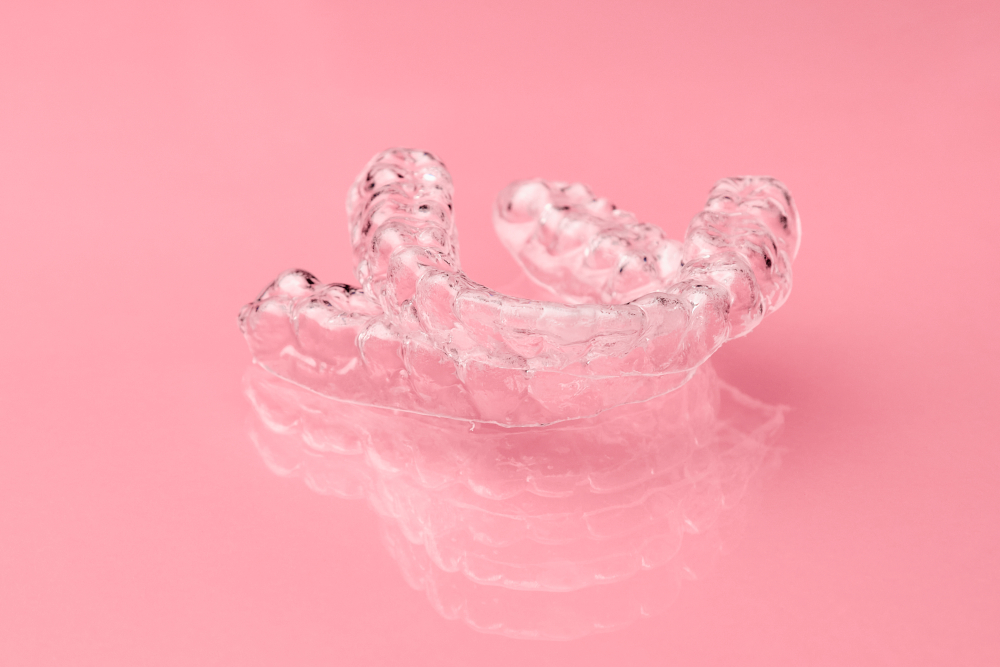
- Custom Night Guards – Individually fitted oral appliances that act as a protective barrier between teeth, reducing pressure and preventing wear while you sleep.
- TMJ Therapy Options – Targeted treatments that help relax jaw muscles, improve joint movement, and reduce inflammation associated with TMJ dysfunction.
- Lifestyle and Habit Guidance – Support strategies that address stress management, sleep habits, and daily behaviors that may contribute to clenching and grinding.
Each approach is designed to reduce strain and support long-term jaw health.
Helping Your Jaw Rest and Recover
Teeth grinding doesn’t have to damage your smile or disrupt your sleep. With proper diagnosis and treatment, it’s possible to significantly reduce symptoms and protect your teeth from long-term harm.
Custom night guards, TMJ care, and lifestyle adjustments can all work together to restore comfort and improve sleep quality.
If you’re waking up with jaw pain, headaches, or signs of grinding, seeking professional evaluation is an important first step toward relief and healthier sleep.