Sciota, Pennsylvania
Tooth sensitivity is one of the most common dental complaints, and it can quickly turn everyday moments—like sipping coffee or enjoying ice cream—into uncomfortable experiences. Unfortunately, there’s also a lot of confusion about what sensitive teeth really mean and how they should be handled.
Let’s break down the most common tooth sensitivity myths and uncover the real facts so you can better understand your oral health.
For personalized care and tooth sensitivity treatment in Sciota, PA, Quiet Valley Dental is available at (570) 992-7040.
Myth 1: Only Older Adults Get Tooth Sensitivity
Fact: Sensitivity is not limited by age.
While it may be more common in adults as enamel naturally wears over time, tooth sensitivity can affect teens, young adults, and seniors alike. Factors like stress, teeth grinding (bruxism), and oral hygiene habits can cause sensitivity at any stage of life.
Myth 2: Sensitive Teeth Are Just Something You Have to Live With
Fact: Tooth sensitivity is not something you should ignore.
Ongoing discomfort when eating hot, cold, or sweet foods may point to issues such as enamel erosion, cavities, or gum disease. Sensitivity is a warning sign that something may need professional attention, not just a normal part of daily life.
Myth 3: Teeth Whitening Is the Main Cause of Sensitivity
Fact: Whitening products are only one of many possible triggers.
Some people experience temporary sensitivity after professional teeth whitening or over-the-counter bleaching products, but other common causes include gum recession, worn enamel, cracked teeth, and acidic diets. A dental evaluation can help determine the real source.
Myth 4: You Should Stop Brushing If Your Teeth Are Sensitive
Fact: Brushing is still essential for sensitive teeth.
Avoiding brushing can actually make the problem worse. Instead, use a soft-bristled toothbrush and toothpaste designed for sensitive teeth. Gentle, consistent brushing helps protect gums and prevent further enamel damage.
Myth 5: Sensitivity Means Your Teeth Are Weak
Fact: Sensitivity does not automatically mean poor or weak teeth.
Tooth sensitivity often results from exposed dentin, enamel wear, or gum recession, not necessarily weak teeth. Even people with otherwise healthy smiles can experience sudden sensitivity due to temperature changes or diet.
Myth 6: Ice Cream and Cold Foods Must Be Avoided Completely
Fact: You don’t have to give up your favorite treats.
While cold foods may trigger discomfort, you can still enjoy them with a few adjustments. Letting frozen treats soften slightly or alternating with room-temperature foods can reduce sensitivity reactions.
Myth 7: There Is No Real Treatment for Tooth Sensitivity
Fact: Sensitive teeth can be effectively treated.
Modern dentistry offers multiple solutions for tooth sensitivity, including desensitizing toothpaste, fluoride treatments, gum care therapies, and restorative procedures if needed. Identifying the cause is key to finding the right solution.
Myth 8: All Tooth Sensitivity Feels the Same
Fact: Sensitivity varies from person to person.
Some patients feel a mild twinge with cold drinks, while others experience sharp pain when biting or chewing. Understanding the pattern and intensity helps your dentist determine the best tooth sensitivity treatment plan.
Managing Tooth Sensitivity at Home
Along with professional care, these daily habits can help reduce discomfort:
- Use toothpaste formulated for sensitive teeth
- Brush gently with a soft-bristled toothbrush
- Limit acidic foods and drinks like soda and citrus
- Rinse with fluoride mouthwash
- Avoid extreme hot and cold temperature foods
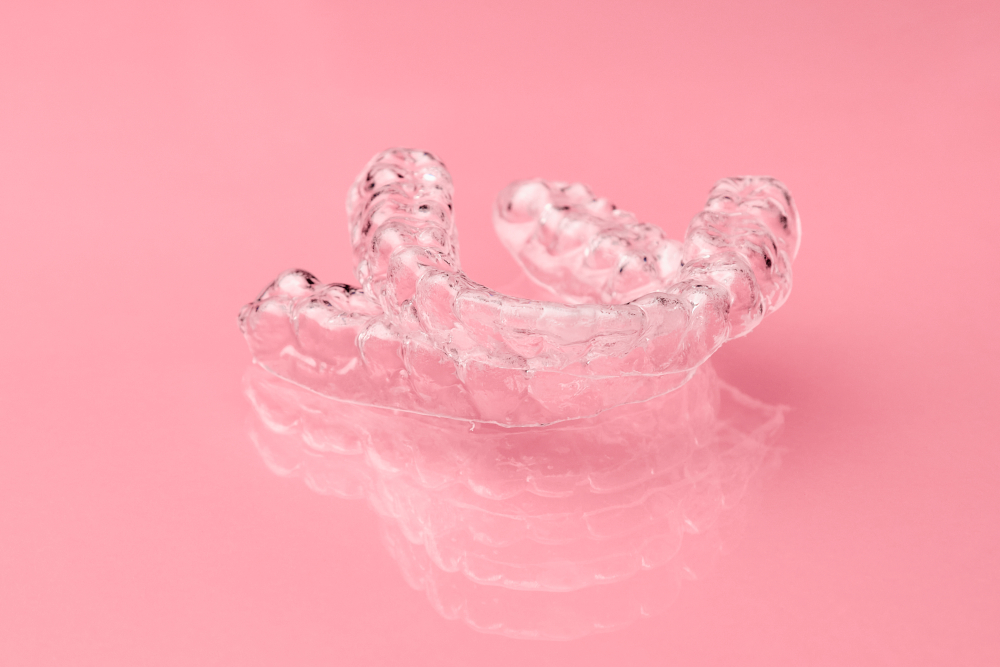
- Wear a nightguard if you grind your teeth
- Stay hydrated to support saliva production
- Maintain consistent brushing and flossing habits
When to See a Dentist for Tooth Sensitivity
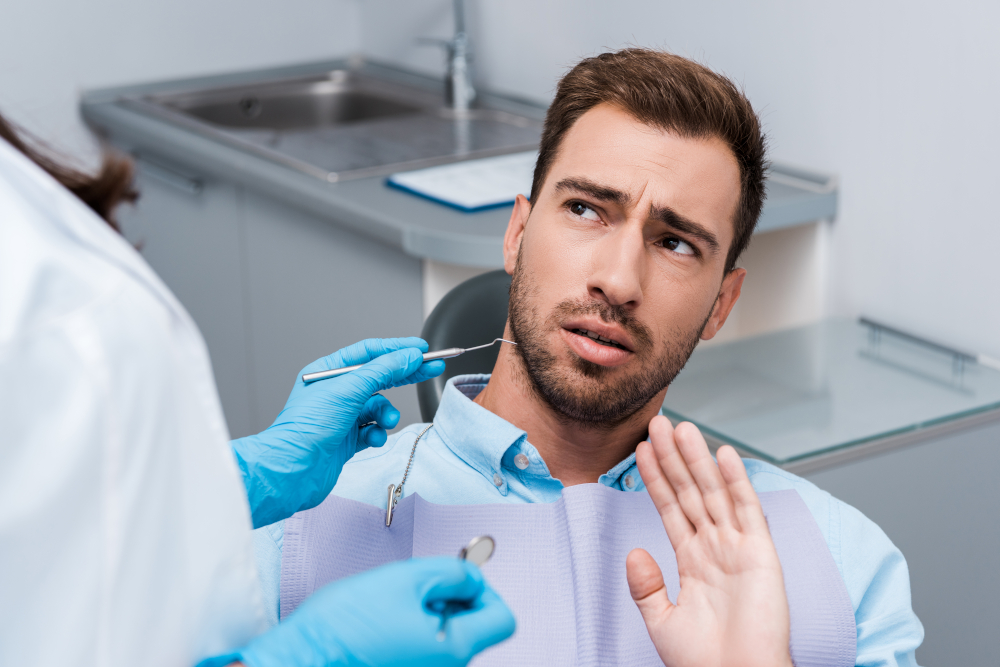
If sensitivity becomes frequent, worsens, or interferes with eating and drinking, it’s important to schedule a dental visit. Persistent symptoms may indicate deeper concerns such as decay, gum disease, or enamel loss.
Early evaluation helps prevent more serious dental problems and improves comfort faster.
Get Help for Tooth Sensitivity in Sciota, PA
Tooth sensitivity doesn’t have to limit your lifestyle or your favorite foods. With the right care and treatment, most patients find significant relief and long-term improvement.
For expert help with sensitive teeth treatment and dental care in Sciota, PA, contact Quiet Valley Dental at (570) 992-7040 to schedule an appointment and get your smile feeling comfortable again.