Sciota, Pennsylvania
Sleep plays a major role in your physical health, mental clarity, energy levels, and overall wellness. Patients searching for “why am I always tired,” “symptoms of sleep apnea,” or “how poor sleep affects your health” are often surprised to learn how closely sleep quality is connected to long-term health problems.
At Quiet Valley Dental, patients throughout Sciota, Stroudsburg, East Stroudsburg, and surrounding Pennsylvania communities are learning that chronic sleep problems may be linked to obstructive sleep apnea — a common but frequently undiagnosed sleep disorder.
Getting enough sleep is important, but quality sleep matters just as much as quantity.
What Counts as Quality Sleep?
According to sleep experts, healthy adults generally need between seven and nine hours of sleep per night.
However, quality sleep also means:
- Falling asleep within about 30 minutes
- Staying asleep throughout the night
- Waking up feeling rested
- Returning to sleep quickly after waking
Patients who repeatedly wake during the night may still suffer from sleep deprivation even if they spend enough hours in bed.
Poor-quality sleep can affect nearly every aspect of daily life, including concentration, mood, energy, and overall health.
How Obstructive Sleep Apnea Affects Sleep
One of the most common causes of poor sleep quality is obstructive sleep apnea.
Obstructive sleep apnea occurs when the airway becomes partially or completely blocked during sleep, interrupting normal breathing patterns.
When breathing stops temporarily, the brain briefly wakes the body to restore airflow. Many patients never fully realize these interruptions are happening, but the repeated sleep disruptions prevent the body from reaching deep, restorative sleep stages.
Patients with untreated sleep apnea may experience dozens or even hundreds of breathing interruptions each night.
Common Signs of Sleep Apnea
Patients searching for “how to know if I have sleep apnea” should be aware of several common symptoms associated with the condition.
Signs of obstructive sleep apnea often include:
- Loud snoring
- Gasping or choking during sleep
- Restless sleep
- Frequent nighttime waking
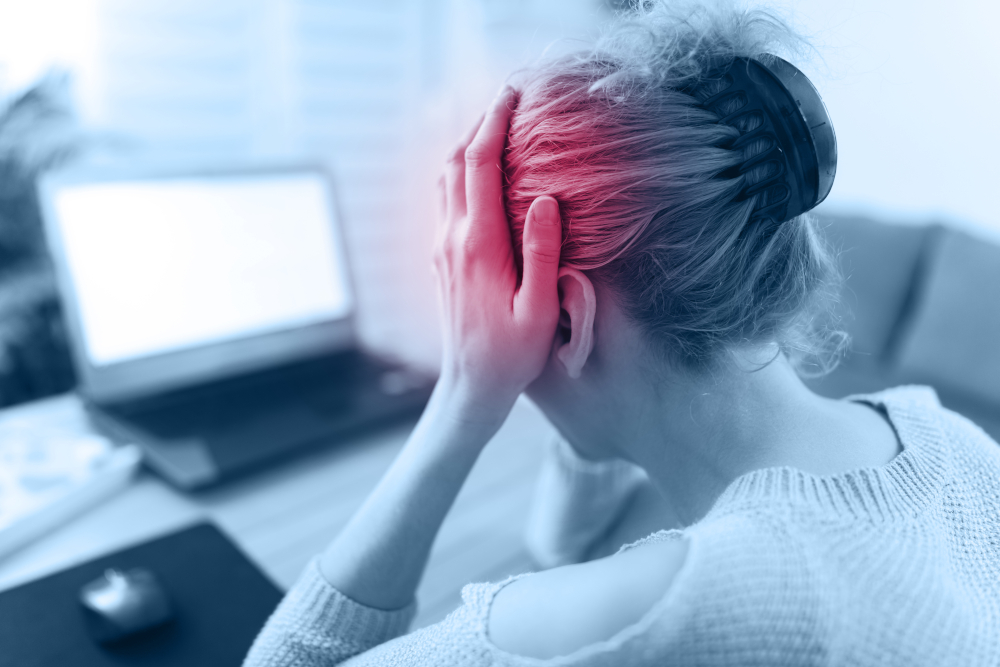
- Morning headaches
- Dry mouth upon waking
- Excessive daytime fatigue
- Difficulty concentrating
- Memory problems
- Irritability or mood changes
Because symptoms occur during sleep, many patients first learn about possible sleep apnea from a spouse or family member.
The Health Risks of Poor Sleep
Chronic sleep deprivation can negatively affect both physical and mental health.
Patients living with untreated sleep apnea or poor sleep quality may experience:
- Chronic fatigue
- Daytime sleepiness
- Reduced focus and productivity
- Increased stress levels
- Headaches and migraines
- Impaired memory
- Mood disturbances
Long-term poor sleep has also been associated with increased risks for:
- High blood pressure
- Heart disease
- Stroke
- Diabetes complications
Patients searching for “why sleep is important for health” are often surprised by how strongly sleep quality impacts overall wellness.
How Dentists Help Treat Sleep Apnea
Although sleep apnea must typically be diagnosed through a sleep study or sleep specialist, dentists trained in sleep-disordered breathing can help manage many cases of obstructive sleep apnea.
At Quiet Valley Dental, oral appliance therapy may be recommended for appropriate candidates with mild to moderate obstructive sleep apnea.
What Is Oral Appliance Therapy?
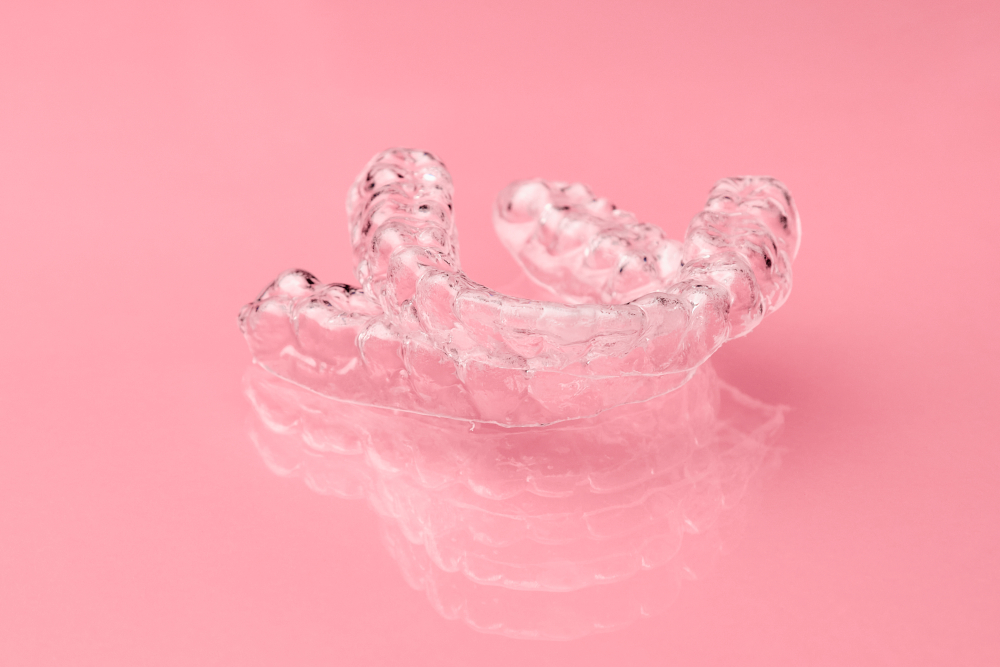
Oral appliance therapy uses a custom-made dental appliance worn during sleep to help keep the airway open.
These appliances work by gently repositioning the lower jaw and supporting the airway to reduce airway collapse during sleep.
Benefits of oral appliance therapy may include:
- Reduced snoring
- Improved airflow
- Better sleep quality
- Increased daytime energy
- Improved comfort compared to CPAP for some patients
Custom oral appliances are designed specifically for each patient using detailed impressions and advanced dental technology.
Sleep Apnea Treatment in Sciota, PA
At Quiet Valley Dental, patients experiencing symptoms of sleep apnea or chronic poor sleep can receive guidance on treatment options designed to improve sleep quality and overall health.
If you regularly snore, wake up exhausted, experience daytime fatigue, or suspect sleep apnea may be affecting your health, a consultation can help determine whether oral appliance therapy may be appropriate for your needs.
Improving sleep quality can positively impact your energy, focus, health, and quality of life far beyond the bedroom.