Sciota, Pennsylvania
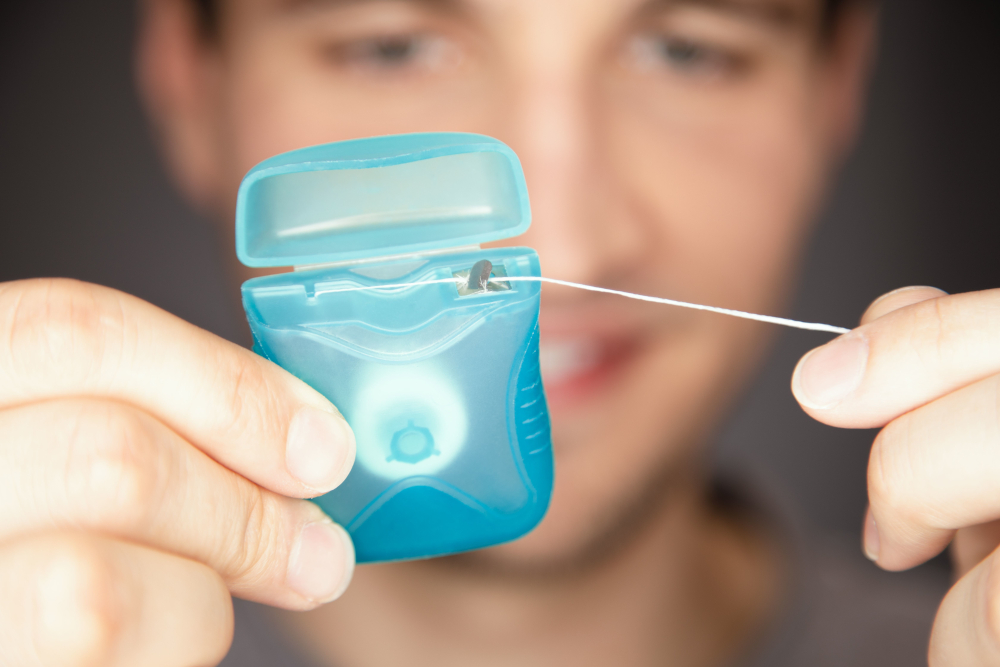
Flossing often gets treated like an “optional extra” in oral hygiene routines—but in reality, it’s one of the most important habits for maintaining long-term dental health. While brushing is something most people do consistently, flossing tends to be the step that gets skipped, rushed, or only done when something feels stuck between the teeth.
The reality is simple: brushing alone is not enough to fully clean your mouth.
Why Flossing Is Essential for Healthy Teeth and Gums
Toothbrushes are great at cleaning the visible surfaces of your teeth, but they can’t reach the tight spaces between teeth or just below the gumline. These are the exact areas where plaque and bacteria tend to collect.
When plaque is left behind, it can harden into tartar, increasing the risk of:
- Cavities between teeth
- Gum inflammation (gingivitis)
- Periodontal disease
- Chronic bad breath
Flossing helps remove this buildup before it turns into more serious dental problems. Think of it as the step that completes your oral hygiene routine and keeps your gums healthier and stronger.
Why So Many People Avoid Flossing
Even though flossing is simple, many people still struggle to make it a daily habit.
Common reasons include:
- It feels time-consuming
- It can be awkward or uncomfortable at first
- Some people notice mild gum bleeding and assume they should stop
- Uncertainty about proper technique
However, light bleeding early on is often a sign of existing gum inflammation—not a reason to stop flossing. With consistent care, gums typically become healthier and less sensitive over time.
Flossing Alternatives That Make It Easier
Traditional string floss isn’t the only option anymore.
There are several tools that can make cleaning between teeth more convenient, including:
- Water flossers
- Floss picks
- Interdental brushes
- Air flossing devices
These alternatives can be especially helpful for people with braces, dental work, or dexterity challenges. The key is choosing a method you can stick with consistently.
How Flossing Supports Whole-Body Health
Oral hygiene is closely connected to overall health.
Harmful bacteria from inflamed gums can enter the bloodstream and are linked to systemic health concerns such as:
- Cardiovascular disease risk
- Complications related to diabetes
- Respiratory health issues
Daily flossing helps reduce bacterial buildup, supporting not just gum health but overall wellness as well.
Simple Ways to Build a Flossing Habit
If flossing isn’t currently part of your routine, small changes can make it much easier to adopt:
- Floss before brushing to loosen debris first
- Keep floss near your toothbrush as a visual reminder
- Pair flossing with a daily habit like listening to music or a podcast
- Start with a few teeth and gradually build consistency
Over time, it becomes second nature rather than a chore.
Support for Better Gum Health
At Quiet Valley Dental, patients are encouraged to build simple, effective oral hygiene routines that protect both teeth and gums. Dental cleanings and checkups also provide an opportunity to review flossing techniques and improve at-home care habits.
The Bottom Line on Flossing
Flossing may seem like a small step, but it plays a major role in preventing gum disease, cavities, and bad breath. When combined with regular brushing and dental visits, it helps maintain a cleaner, healthier smile.
If you’ve been skipping flossing or aren’t sure you’re doing it correctly, it’s never too late to start. A consistent routine can make a noticeable difference in how your mouth feels—and how your smile looks.